
If you are planning to build a career in transport, delivery, or passenger services in Australia, getting your LR licence is often the first serious step. Many drivers start with a car licence, but when career growth becomes important, moving into a Light Rigid vehicle opens new job opportunities and higher earning potential.
In this complete guide, we explain everything about LR licence medical requirements, theory test preparation, practical assessment, costs, eligibility rules in South Australia, and career outcomes. All information is based on official Australian government sources to ensure accuracy and reliability.

What is an LR Licence in Australia?
An LR licence, also known as a Light Rigid licence, allows you to drive a rigid vehicle with:
- A Gross Vehicle Mass between 4.5 tonnes and 8 tonnes
- More than 12 seats, including the driver
According to the South Australian Government MyLicence handbook, this class covers small trucks, delivery vehicles, and minibuses.
This makes the LR truck licence ideal for people entering logistics, community transport, school transport, and small freight businesses.
Common Vehicles Covered Under LR Licence
| Vehicle Category | Typical Industry Use |
| Small freight trucks | Courier and parcel delivery |
| Furniture removal trucks | Local removals |
| Community transport buses | Aged care and disability services |
| School minibuses | Education sector |
| Motorhomes under 8 tonnes | Tourism and travel |
Because the LR licence sits between a car licence and a medium rigid licence, it is often the safest and most practical entry into commercial driving.

Why is There High Demand for LR Drivers in Australia?
Australia continues to experience demand for qualified heavy vehicle drivers. According to Jobs and Skills Australia, truck and bus drivers remain in steady demand across most states due to freight growth and population expansion.
E commerce growth has also increased the need for delivery drivers, especially in metro cities like Adelaide.
Holding an LR driving licence in Adelaide can:
- Improve your employment options
- Increase your weekly earning capacity
- Help you move into government and council transport jobs
- Create a pathway to MR or HR licences
For many learners, this licence is not just about driving. It is about long term job security.
Eligibility Requirements for LR Licence in South Australia
Before applying for your Light Rigid licence in SA, you must meet specific criteria set by Service SA.
You must:
- Hold a Class C licence for at least 12 months
- Pass a heavy vehicle theory test
- Meet medical standards for commercial drivers
- Successfully complete a practical driving assessment
These LR licence requirements ensure that only experienced and medically fit drivers move into larger vehicles.
LR Licence Medical Requirements in Australia
One of the most important steps is passing the commercial driver medical assessment.
Heavy vehicle drivers must meet standards outlined in Assessing Fitness to Drive, published by Austroads and the National Transport Commission.
This medical assessment checks whether you are physically capable of safely operating a heavy vehicle.
What Does the Medical Check Cover?
The doctor may assess:
- Eyesight and peripheral vision
- Hearing ability
- Blood pressure levels
- Diabetes control
- Heart health
- Neurological conditions
- General physical fitness
Because LR vehicles may carry passengers or goods, the medical standards are stricter than for private car drivers.
If you have a medical condition, it does not always mean you will fail. In many cases, the doctor may approve you with monitoring or conditions.
Understanding the LR Licence Theory Test
After meeting eligibility and medical requirements, the next step is the heavy vehicle theory test.
The theory test is based on the South Australian Heavy Vehicle Driver’s Handbook.
The test focuses on understanding how heavier vehicles behave differently from cars.
Topics Covered in the Theory Test
- Heavy vehicle road rules
- Speed limits for trucks and buses
- Safe following distances
- Blind spots
- Fatigue awareness
- Load safety basics
Heavy vehicles require longer braking distances. For example, according to the National Heavy Vehicle Regulator, stopping distance increases significantly with weight and speed.
Understanding these concepts is essential before sitting behind the wheel.
Practical Assessment for LR Driving Test in SA
The practical driving test is where you demonstrate real-world ability.
An assessor will evaluate how safely and confidently you handle an LR vehicle in traffic conditions.
You will be assessed on:
- Pre-drive vehicle inspection
- Safe starting and stopping
- Lane positioning
- Mirror use
- Turning at intersections
- Managing blind spots
- Reversing control
- Hazard awareness
Pre-Drive Inspection is Critical
Many learners lose marks because they rush the inspection.
You must check:
| Inspection Area | Why It Matters |
| Tyres | Ensure correct pressure and no damage |
| Lights and indicators | Visibility and signalling |
| Mirrors | Clear rear and side view |
| Brakes | Safe stopping ability |
| Leaks under vehicle | Prevent mechanical issues |
This step shows that you understand responsibility as a commercial driver.
LR Licence Adelaide Training Process
If you are applying for an LR licence in Adelaide, professional training can greatly improve your pass rate.
A structured heavy vehicle training program usually includes:
- Classroom style explanation of heavy vehicle rules
- Practical road training with an instructor
- Reversing practice
- Test preparation guidance
Learning with experienced instructors helps you understand Adelaide traffic conditions and testing routes.
LR Licence Fees in South Australia
Below is a general overview of cost components. Official government fees may change, so always check Service SA.
| Fee Type | Paid To |
| Medical assessment | Your GP |
| Theory test | Service SA |
| Practical driving test | Service SA |
| Training fees | Driving school |
Training costs vary depending on lesson hours and vehicle type.
Career Opportunities after Getting an LR Licence
Once you obtain your LR licence, you can work in several industries.
Common job roles include:
- Delivery truck driver
- Furniture removal truck driver
- Community bus operator
- School transport driver
- Event transport services
- Local government transport services
With experience, many drivers upgrade to Medium Rigid or Heavy Rigid licences, increasing earning potential further.
Safety Responsibilities of LR Drivers
Driving a light rigid vehicle comes with added responsibility.
Compared to cars, LR vehicles:
- Have larger blind spots
- Require longer braking distances
- Are heavier and less flexible in tight turns
- May carry passengers
The National Heavy Vehicle Regulator promotes safety awareness for all heavy vehicle drivers across Australia.
Safe driving protects your licence, your income, and public safety.
Final Thoughts
An LR licence is more than a qualification. It is a gateway into Australia’s growing transport and logistics industry. By understanding the medical standards, theory knowledge, and practical skills required, you prepare yourself for long-term success.
If you are serious about passing your LR driving test in South Australia, proper preparation and professional training can make a major difference.
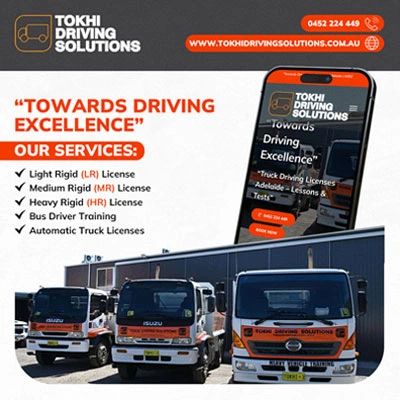
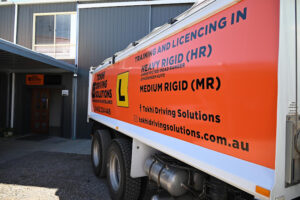
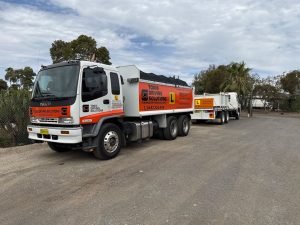
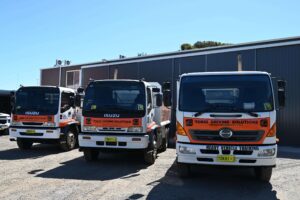
At Tokhi Driving Solutions, we focus on practical learning, confidence-building, and road-safety awareness to help learners become responsible and skilled heavy-vehicle drivers.
Your journey toward a commercial driving career can start today with the right guidance and preparation.